



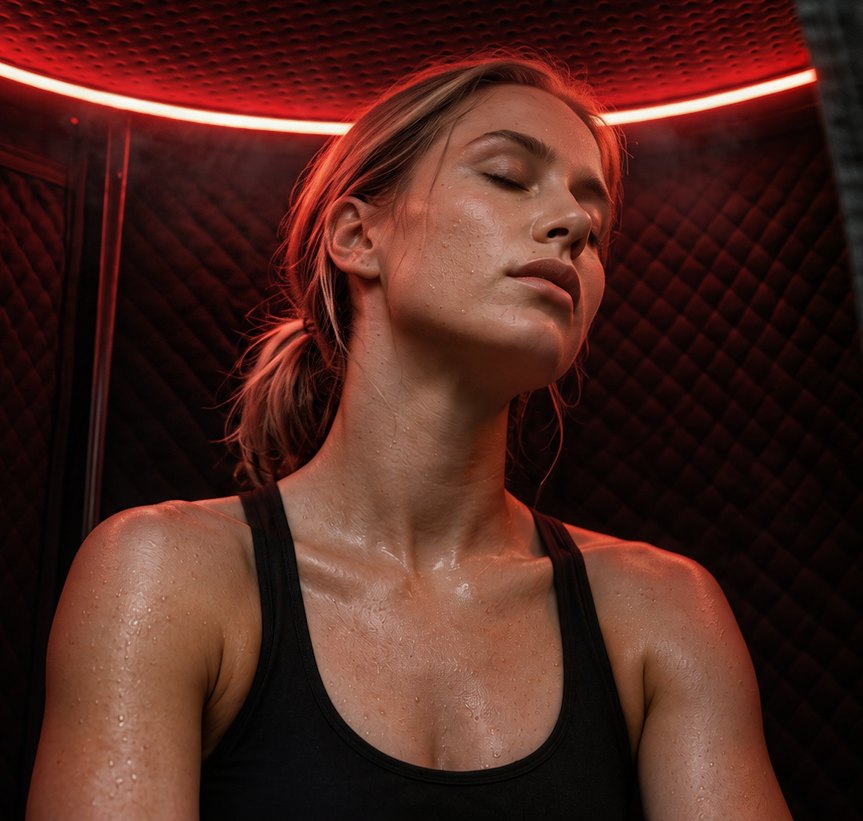
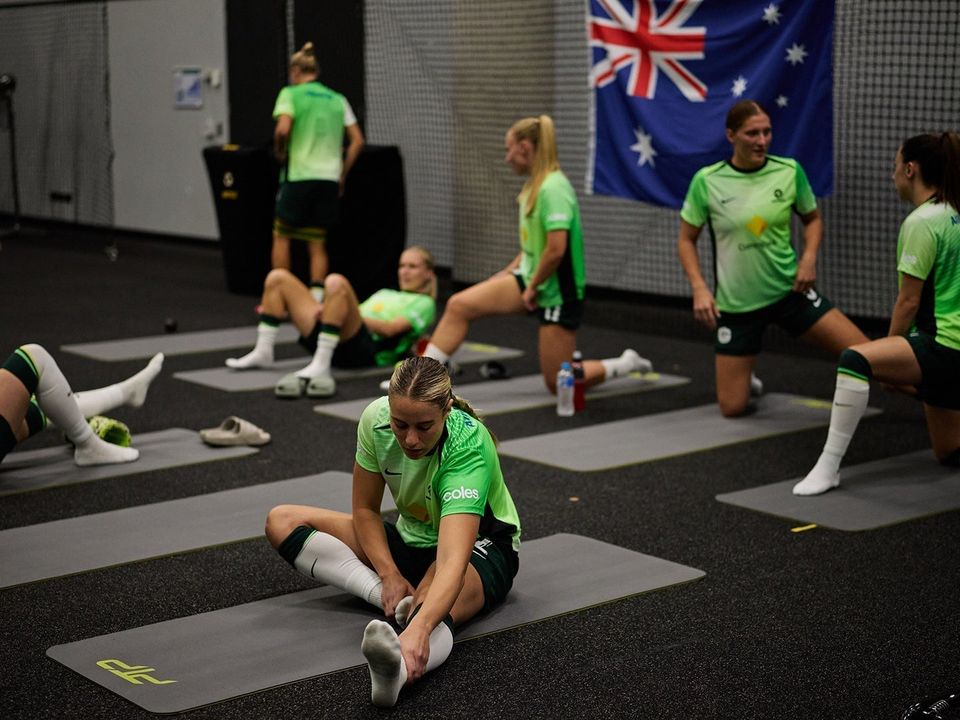


Almost three in four Australian adults aged 18 to 64 aren't doing the recommended amount of muscle-strengthening activity.1 Being active isn't the same as giving your muscles a real challenge.
Most people don't need a new workout. They need more resistance built into the one they've already got time for.
Getting more from training is what sports coaches and physiotherapists do for a living. We asked three of them to share their insights.
Why coaches and physios are looking beyond the dumbbell.
They explain how adding small amounts of resistance to familiar movements can make your muscles work harder. PTP Integrated Strengthwear brings that approach into what you wear, with removable micro-weights built into athletic apparel so you can apply the same training principles to your own routine.
Give your muscles a reason to get stronger.
For Strength and Conditioning Coach Brendan Whelan, progressive overload is fundamental to developing athletes: gradually increasing what their muscles are asked to do as they adapt.
The same principle applies at any level of fitness: add resistance to a familiar movement, then gradually increase it as your muscles adapt.
PTP Integrated Strengthwear combines premium athletic apparel with removable micro-weights positioned over the muscle bellies of the arms and legs. Every step, stride and repetition gives your muscles extra weight to move and control.
Physiotherapist Eddie Farah explains why placement matters. The aim is to challenge the muscles while keeping movement natural. Distributing smaller weights across moving limbs lets you spread the load, while removable weights allow you to adjust the challenge.
PTP has worked alongside coaches, sports scientists and practitioners behind elite performance since 2010. Integrated Strengthwear applies that expertise to your regular activity, adding a muscular challenge to the movement you're already doing.
More work without it feeling harder.
In matched walking and jogging testing, responders burned up to 35% more calories, while reporting a similar level of effort.*
That is a compelling addition to the muscular challenge: more calorie burn from the same activity.
Read the science behind Integrated StrengthwearMake your everyday movement count for more.
Libby Birch values how easily Integrated Strengthwear fits into the activities people already do. As an athlete and physiotherapist, she sees value in adding a muscular challenge to familiar movements, from squats, lunges and step-ups to walking the dog.
You can start with one piece or combine tops, shorts and sleeves to suit your activity. The removable weights let you adjust the resistance as you progress.
-
01Start light
Begin with a load you barely notice and build gradually.
-
02Change one thing at a time
Increase the weight, the duration or the difficulty, never all three at once.
-
03Keep it controlled
If the load changes your technique or causes discomfort, reduce it or remove it.
Always seek professional advice before starting exercise or returning from an injury.
Get more from every move.
Too many Australians are missing out on muscle-strengthening activity. PTP Integrated Strengthwear helps you apply the same training principles as elite athletes, whatever your level, so every step, stride and rep counts for more.
Shop the range1 Australian Institute of Health and Welfare, Australia's health 2024. Based on self-reported 2022 National Health Survey data, 73% of Australian adults aged 18 to 64 did not meet the recommendation for muscle-strengthening activity on at least two days per week.
* Based on acute, single-session treadmill testing comparing the same walking and jogging conditions with and without a calf-anchored, distributed limb-loading setup of approximately 3 to 4% of body weight. Perceived effort was self-reported. Individual results vary. Source: Willis A. How Much Weight Should You Wear? A Physical Therapist's Guide. KILOGEAR, 2026.